Unleashing Vibrant Energy with Pop-Art Design
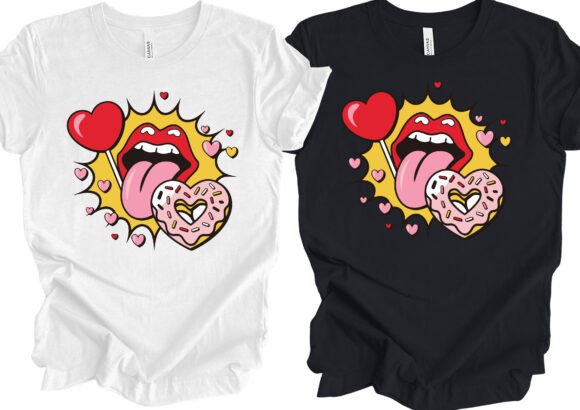
There is a specific visual punch that only a true pop-art aesthetic can deliver, and the moment you see A Colorful and Dynamic Pop-art Design, you immediately feel the energy of the 1960s comic book era mixed with modern seduction. This particular design asset isn't just a random collection of shapes; it is a carefully curated visual narrative centered around a pair of open red lips with a tongue sticking out. But this isn't just any mouth; it is decorated with small pink hearts, transforming a classic symbol of speech or sensuality into something playful and inviting. Surrounding this central focal point is a vibrant red heart-shaped lollipop and a light pink heart-shaped donut, complete with white sugar frosting and colorful accents. It creates an atmosphere that is equal parts rebellious, fun, and undeniably sweet.
For designers and entrepreneurs, understanding how to wield such a distinct visual language is key to standing out. The composition of scattered small hearts and cute decorative details serves a specific purpose: to guide the eye and create a texture that feels alive. When you are working on branding or marketing assets, static images often fail to capture attention in a scrolling environment. However, a design that features high-contrast colors—like the deep reds and soft pinks against white frosting—creates a sense of movement. This is the essence of modern typography and visual design; it is about making the viewer stop and feel something instantly, whether that is hunger for a donut or a connection to a playful brand voice.
The Psychology of Playful Branding
Why would a business owner or content creator choose an image of lips, lollipops, and donuts? The answer lies in the psychology of approachability. In a market saturated with sterile, corporate minimalism, A Colorful and Dynamic Pop-art Design offers a breath of fresh air. It signals to your audience that your brand does not take itself too seriously, yet it has a strong, distinct point of view. This type of imagery is incredibly effective for businesses targeting a demographic that values authenticity and fun. Think of a boutique bakery, a beauty brand specializing in bold makeup, or a lifestyle blogger who focuses on self-expression. The design acts as a visual shorthand for "come on in, we’re having a good time."
Furthermore, the integration of heart-shaped elements—a donut and a lollipop—adds a layer of sweetness to the edginess of the pop-art style. Pop-art was originally a movement that challenged fine art by using imagery from popular culture. Today, using this style in your packaging design or social media graphics helps bridge the gap between high-end aesthetics and everyday consumer goods. It makes luxury feel accessible and mundane products feel exciting. The texture of the sugar frosting and the gloss on the lollipop provide a tactile quality that makes digital assets feel real and tangible.
Practical Applications for Maximum Impact
The versatility of this specific design style allows it to be adapted across a multitude of platforms. It is not merely a static image; it is a design system waiting to be applied. When considering where to deploy such a vibrant aesthetic, think about the customer journey and where visual impact is most needed.
- Logo Design and Brand Identity: While the full illustration might be too detailed for a primary logo mark, elements of it—such as the stylized lips or the heart motifs—can be isolated to create a unique brand icon or watermark. This ensures your brand identity remains consistent from your website header to your email signatures.
- Packaging Design: Imagine this design wrapping around a box of artisanal chocolates or a line of bath bombs. The "sweet" imagery of the donut and lollipop pairs perfectly with products that are meant to be consumed or enjoyed as treats. It instantly communicates flavor and enjoyment before the customer even reads the label.
- Merchandise and Apparel: Pop-art translates exceptionally well to fabric. T-shirts, tote bags, and stickers featuring this dynamic design appeal to a younger, trend-conscious audience. The bold lines and colors ensure the design remains crisp and visible even on textured materials.
- Digital Products and Invitations: If you are launching a digital product, such as a planner or a set of templates, using this aesthetic can differentiate you from the sea of minimalist beige planners. For event planners, this design is perfect for birthday invitations, bachelorette parties, or fashion show invites where a high-energy vibe is required.
Typography Pairings and Readability
When working with a visually dense illustration like this, the typography you pair with it is critical. You cannot simply throw a standard serif font on top of a pop-art background and expect it to work. The goal is to create a hierarchy where the text supports the image without getting lost in it.
Given the bold, rounded shapes of the lips and the heart-shaped donut, sans-serif fonts often work best. A thick, blocky display font can mimic the comic-book feel of the illustration, creating a cohesive visual consistency. However, you must be careful with readability. If the background is busy, your text needs breathing room. This is where a clean, modern sans serif font for body copy comes into play. It offers a neutral canvas that allows the "A Colorful and Dynamic Pop-art Design" to remain the star of the show while your message is still easily digestible.
For those looking to add a bit more flair, a script font or handwritten font could be used sparingly for headlines to enhance the "fun" factor, but only if it is legible. The key takeaway here is testing. Always test your font pairings on both mobile and desktop screens. A design that looks like a cohesive masterpiece on a 27-inch monitor might turn into a chaotic mess on a 6-inch smartphone screen. Ensure your web design choices prioritize the user experience, keeping text size generous and contrast high.
Strategic Implementation for Business Growth
Adopting a style like A Colorful and Dynamic Pop-art Design is more than just an aesthetic choice; it is a strategic business decision. In the realm of marketing assets, visual distinctiveness leads to brand recognition. When a user scrolls through their feed, you want them to recognize your content before they even see your name. This specific color palette—the reds, pinks, and whites—combined with the retro-modern motifs, creates a signature look.
For small business owners, this approach levels the playing field. You do not need a massive budget to look professional. By utilizing high-quality design assets like this, you can create a professional presentation that rivals big-box competitors. It signals that you pay attention to details and understand the value of visual communication. Whether you are using it for editorial layouts in a digital magazine or printing it on posters for a local event, the design carries a built-in energy that reduces the need for excessive text. It does the heavy lifting for you, engaging the audience visually so you can focus on delivering your core message.
Ultimately, the decision to use a bold, colorful design comes down to who you want to attract. If your ideal customer appreciates irony, sweetness, and bold self-expression, then this pop-art style is not just a decoration—it is a magnet. It filters your audience, drawing in those who resonate with your vibe and creating a community around a shared aesthetic. In a digital landscape where attention is the most valuable currency, having a design that demands a second glance is the ultimate competitive advantage.