Wilderness-Inspired Type: Capturing the Spirit of the Outdoors
There is a specific feeling you get when you step onto a trail early in the morning—the crisp air, the crunch of gravel underfoot, and the vast, open horizon ahead. Translating that tactile experience into a visual medium is a challenge many designers face. You need a typeface that doesn't just spell out words, but evokes the smell of pine and the warmth of a campfire. This is exactly where a robust Camping Typography Design package steps in. It serves as a bridge between the raw aesthetic of nature and the polished requirements of modern branding, offering a versatile toolkit for anyone looking to inject some rugged authenticity into their visual communication.
More Than Just a Font: A Visual Ecosystem
When you are working on a project that centers around the outdoors, travel, or adventure, your typography carries the heavy lifting of setting the mood. A generic sans-serif might look clean, but it often fails to communicate the personality of a hiking brand or a wildlife blog. The value of a comprehensive design package lies in its ability to offer a complete visual ecosystem. Instead of just receiving a single alphabet, you are gaining access to a curated collection of styles that work together harmoniously.
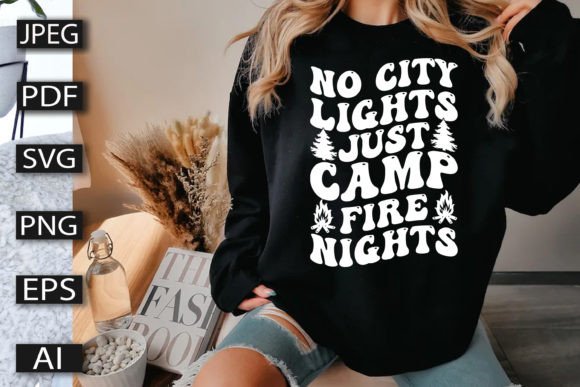
Imagine you are designing a logo for a new eco-resort. You might start with a bold, vintage-inspired serif for the main wordmark to establish authority. Then, for the tagline or supporting text, you could layer in a rugged, textured sans-serif or a flowing script to add a human touch. This versatility is crucial. A high-quality Camping Typography Design asset usually includes various file formats—SVG, PDF, JPEG, PNG with transparency, and editable EPS and AI files—all bundled together. This ensures that whether you are cutting vinyl for merchandise, designing a website header, or printing high-resolution posters, your assets are ready to go without the headache of file conversion or quality loss.
Practical Applications for Outdoor Branding
The true test of any design asset is how it performs in the real world. For the small business owner running a camping supply store or the content creator managing a trekking YouTube channel, consistency is key. Using a cohesive typeface family across all touchpoints builds brand recognition faster than almost any other design element.
Consider the following scenarios where this specific style of typography shines:
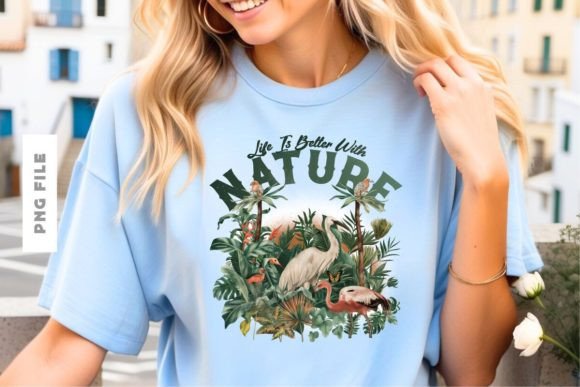
- Merchandise and Apparel: T-shirts, hoodies, and hats are staples in the outdoor niche. A font with a "retro" or "distressed" texture mimics the look of vintage national park posters, which is highly desirable in this market. The included transparent PNGs make it easy to mock up designs for print-on-demand services.
- Packaging Design: If you are selling trail mix, craft beer, or camping gear, the label needs to look rugged yet professional. A strong display font can anchor the label design, ensuring it stands out on a crowded shelf.
- Social Media Graphics: Instagram and Pinterest rely heavily on visuals. Having a variety of font styles at your disposal allows you to create diverse content—quote graphics, event announcements, and travel tips—without your feed looking repetitive.
- Editorial Layouts: For bloggers and travel writers, using a serif font for body text paired with a bold display font for headers creates a hierarchy that guides the reader's eye, making long-form content about hiking or wildlife easier to digest.
Matching Typography to Project Goals
Choosing the right font style isn't just about what looks "cool"; it's about communication. The typography needs to match the energy of your project. If you are promoting a high-adrenaline trekking group, you might want a typeface with sharp edges and heavy weight to convey speed and strength. Conversely, if you are designing an invitation for a glamping retreat, a softer, handwritten script might be more appropriate to suggest relaxation and intimacy.
One of the most common mistakes in logo design is neglecting the interplay between the icon and the text. When you have access to editable AI and EPS files, you have the freedom to customize kerning (letter spacing) and ligatures to ensure the text sits perfectly alongside your logo mark. This level of customization separates amateur designs from professional-grade brand identities. Don't be afraid to stack your text, mix a serif with a sans-serif, or use a script font sparingly for emphasis. The goal is to create a visual rhythm that feels natural and engaging.
Readability and Font Pairing Strategies
While a decorative, rugged font is excellent for headers and logos, it can become a nightmare to read in small sizes or dense paragraphs. This is where the included sans-serif or serif variations come into play. A good design package acknowledges that you need different tools for different jobs.
When testing your font pairings, follow these practical steps:
- Contrast is King: Pair a heavy, textured display font with a clean, simple sans-serif. This prevents the design from looking cluttered and ensures the main message gets through.
- Check the Hierarchy: Your H1 (main headline) should be the most visually distinct. Your body copy should be optimized for legibility, even on mobile screens. If you are designing a website, ensure the font renders well at 16px.
- Color and Backgrounds: Since outdoor themes often utilize dark greens, browns, and earthy tones, ensure your text has enough contrast. A white or cream-colored text usually works best against dark, moody backgrounds common in nature photography.
- Spacing Matters: Don't crowd your letters. Generous leading (line height) and tracking can make a rugged font feel more airy and open, much like the landscapes they represent.
Commercial Licensing and Asset Management
For entrepreneurs and designers, the legal side of design assets is just as important as the aesthetic side. Before downloading a premium font or design kit, you must understand the licensing terms. Most standard licenses allow for use in personal projects and a specific number of commercial projects (like a logo for a client or a run of t-shirts).
However, if you plan to use the font in a digital product for sale—such as a PDF planner, a Canva template, or an app—you often need an extended license. Always review the documentation included in your ZIP file. Keeping your license files organized is a good habit that protects your business down the line.
Furthermore, managing your assets effectively saves time. When you download a pack containing SVG, PDF, JPEG, PNG, EPS, and AI files, create a dedicated folder structure on your drive. Separate your vector files (AI/EPS) from your raster files (JPEG/PNG). This way, when you need to quickly resize a graphic for a poster or a business card, you know exactly where to find the scalable vector version.
Crafting a Narrative Through Design
Ultimately, great design tells a story. Whether you are a hobbyist creating a scrapbook of your last camping trip or a marketing professional launching a new outdoor product, your typography sets the scene. It can whisper of quiet forest streams or shout of mountain summits. By leveraging a comprehensive Camping Typography Design toolkit, you are not just buying letters; you are investing in a visual language that resonates with the adventurous spirit in all of us. It allows you to maintain visual consistency, boost audience engagement, and present your brand with the professionalism it deserves.